Morocco is a land of diverse landscapes, rich traditions, and vibrant cities. But if you’re truly looking to uncover its royal past, you must visit the Imperial Cities of Morocco — four historic capitals that have shaped the country’s identity for centuries: Marrakech, Fes, Meknes, and Rabat.
These cities aren’t just beautiful; they are living museums filled with palaces, medinas, mosques, and monuments that reflect Morocco’s fascinating blend of Arab, Berber, and Andalusian heritage.
What Are the Imperial Cities of Morocco?
The term “Imperial Cities” refers to the four cities that have served as capitals under various Moroccan dynasties:
-
Fes – founded in the 8th century, spiritual and cultural capital
-
Marrakech – known as the Red City, a symbol of power and trade
-
Meknes – a former royal city of the 17th-century Alaouite Sultan Moulay Ismail
-
Rabat – the current capital, blending historical architecture with modern life
Each of these cities tells a unique story and offers a distinct experience.
1. Fes – The Spiritual Heart of Morocco
Fes is Morocco’s oldest Imperial City and home to the world’s oldest university, Al Quaraouiyine. Its UNESCO-listed medina is a maze of narrow alleys, souks, tanneries, and historic sites. Walking through Fes feels like stepping back in time.
Highlights:
-
Al Quaraouiyine Mosque and University
-
The Chouara Tannery
-
Bou Inania Madrasa
-
Traditional souks and artisan workshops
2. Marrakech – The Vibrant Red City
Founded in 1062, Marrakech served as a powerful capital under the Almoravid and Saadian dynasties. Its red sandstone buildings, lively markets, and majestic gardens make it one of Morocco’s most iconic destinations.
Highlights:
-
Jemaa el-Fnaa square
-
Koutoubia Mosque
-
Majorelle Garden
-
Bahia Palace
-
Traditional hammams and riads
3. Meknes – The Forgotten Imperial Jewel
Often overlooked by tourists, Meknes was once the grand capital of Sultan Moulay Ismail. Known for its massive gates, royal stables, and blend of Islamic and European architecture, it’s a quieter yet equally fascinating Imperial City.
Highlights:
-
Bab Mansour gate
-
Royal Stables & Granaries
-
Mausoleum of Moulay Ismail
-
Volubilis Roman ruins (nearby)
4. Rabat – The Political Capital with Royal Elegance
While Rabat is Morocco’s modern capital, it’s also one of its Imperial Cities. It offers a mix of history, government institutions, and coastal beauty. Rabat is home to royal palaces, historical kasbahs, and scenic ocean views.
Highlights:
-
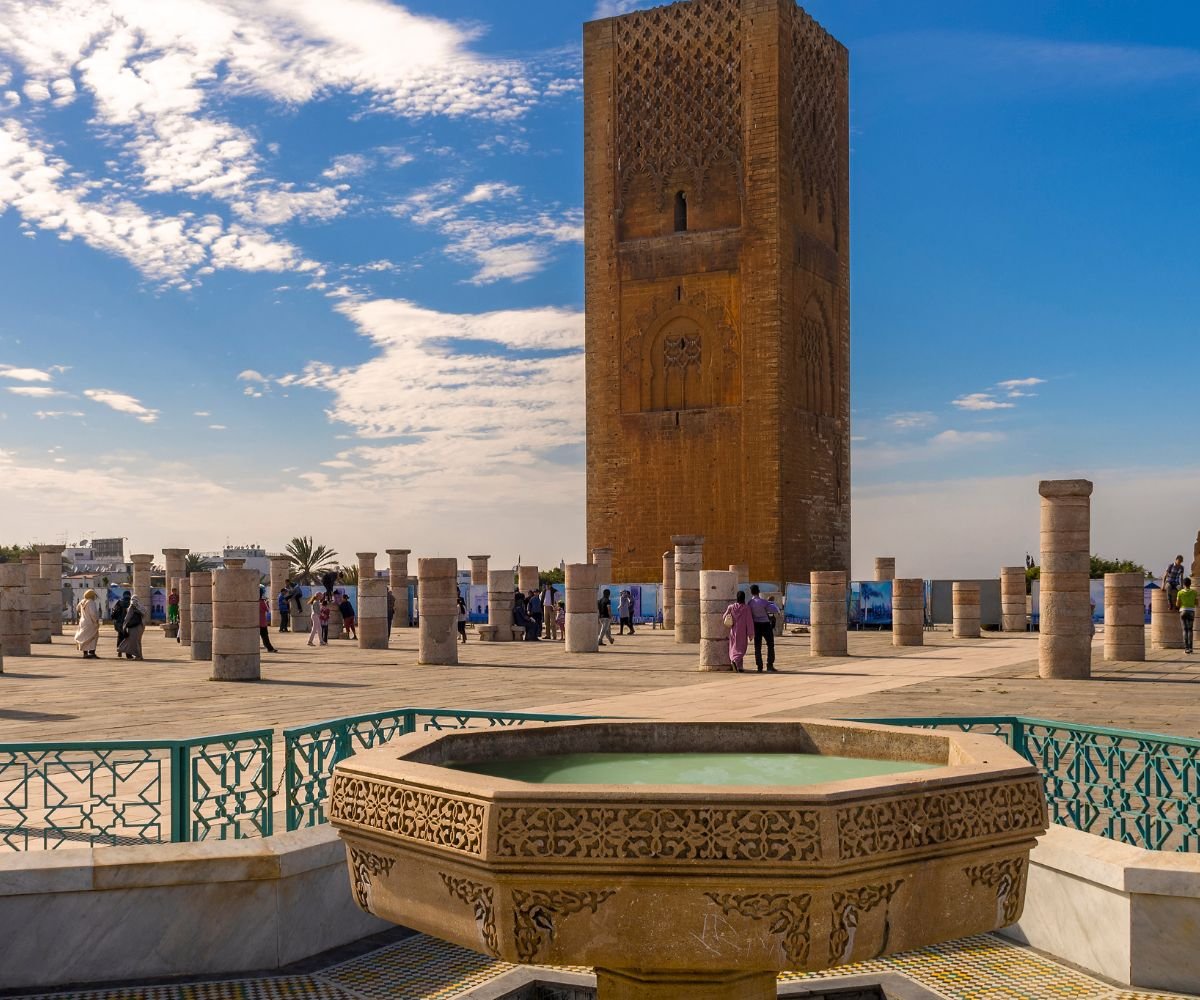
Hassan Tower and Mausoleum of Mohammed V
-
Kasbah of the Udayas
-
Royal Palace of Rabat
-
Medina and modern boulevards
How to Visit the Imperial Cities of Morocco
A multi-city tour is the best way to experience the Imperial Cities. You can:
-
Travel by train or car between cities (they are well connected)
-
Book a guided Imperial Cities tour for deeper insight
-
Start from cities like Tangier, Casablanca, or Marrakech
If you’re beginning in northern Morocco, explore this tour from Tangier to experience Morocco’s most historic cities with a local guide.
Best Time to Visit
The Imperial Cities can be visited year-round, but the best seasons are spring (March–May) and autumn (September–November), when the weather is mild and ideal for exploring palaces, medinas, and gardens.
Final Thoughts
The Imperial Cities of Morocco are essential for anyone wanting to understand the country’s royal past, architectural beauty, and cultural depth. From the spiritual streets of Fes to the political prestige of Rabat, each city adds a chapter to Morocco’s grand historical narrative.
Whether you’re a history enthusiast, photographer, or curious traveler, these four cities offer a journey through time that you won’t forget.